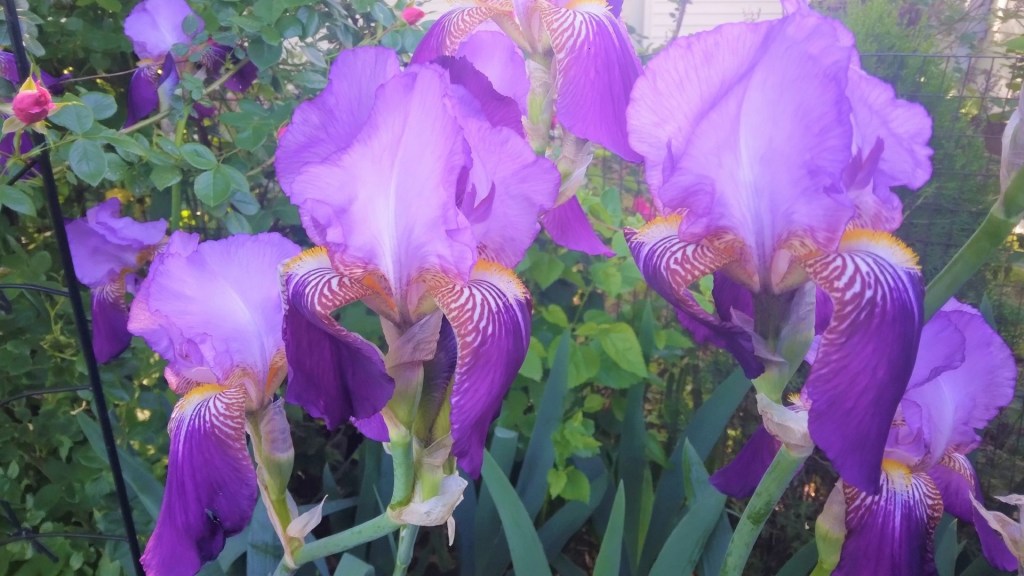
Poetry was a luxury
when there were trees
with streams
running between them.
Poetry was a luxury
when there was air
you could breathe
without choking on hate.
Walking home from the park at dusk
on a warm day for early January,
I saw him in an outer doorway,
leaning against the arched entrance
of the library’s courtyard,
smoking a cigarette in the shadows.
He couldn’t face the light
or look me in the eye,
but he glanced at me, sideways,
looked away, knowing I knew
why he’d shown up here.
Even in profile
I could see the sadness.
He was a bit apologetic
but his jaw was set,
determined, he had a job to do —
maybe more than one,
or someone more important than usual,
from how almost repentant he looked.
“You’re a motherfucking coward.”
I could see it stung
because he knew it was true.
But my anger, his empathy,
wouldn’t stop him.
“Someday you’ll have to come for me.”
He flinched. It was a fight he’d lost before,
and wasn’t too keen to fight again,
but he straightened his shoulders,
took one last deep puff of his cigarette,
flicked it to the ground
and stomped it with his heel
as he turned and disappeared
like smoke in the shadows.
Leaving me to wonder
about the details of his warning
and which ones I love
would feel his cold hand on their shoulders
in this dark, cold, dying year.
Her car turned at the corner.
She hadn’t meant to turn,
but this path was etched in her mind,
a groove worn by time after time.
She parked in front of the house,
closed her eyes to see inside:
soft light, cigarette smoke,
lemon furniture polish,
television on, dishes clanking,
soup stewing on the stove,
open arms waiting.
She could walk right in,
not even knock.
But when she opened her eyes,
it was all gone,
the house painted yellow now,
the driveway paved.
If she tried to go in,
the faces, all changed,
would turn to stare at a stranger.
She drove a mile down the road
to the edge of town
stepped out of her car,
walked across some well-kept grass,
bent down and felt the names
etched deeply in stone.
Names that belonged to the house
that was and wasn’t there.
When you pry
the shell apart,
the mussel dies.
But that’s the only way
to find the pearl inside.
Slushies, shake-ups, strawberries, sangria, sunsets, sunrises, sunburns, sunscreen, seashores, seashells, saltwater, sand, sidewalk sales, sidewalk chalk, softballs, see-saws, swings, slip-n-slides, sweet corn, string beans, string bikinis, street fairs, street vendors, salsa, summer sausage, sandals, scooters, skateboards, sprinklers, sparklers, sunflowers, sun tea, sunshine, sizzling, singing, sliding, swinging, swimming, skipping, sipping, skinny dipping, shade seeking ... suddenly summer’s over.
The sun explodes on the surface of the water,
sears a little deeper into my shoulders’ sun-darkened skin.
I throw my hair back into the coolness, face the sun again –
even with my eyes closed the light is blinding.
I dive into the gleaming water and pretend
that the afternoon is not about to end,
that the dock where my friends wait is not so near,
that the cooler is still full of soda and beer.
Friends call to me, but I hold out for a little more,
floating down the river just a little longer
away from the life that waits on the shore.
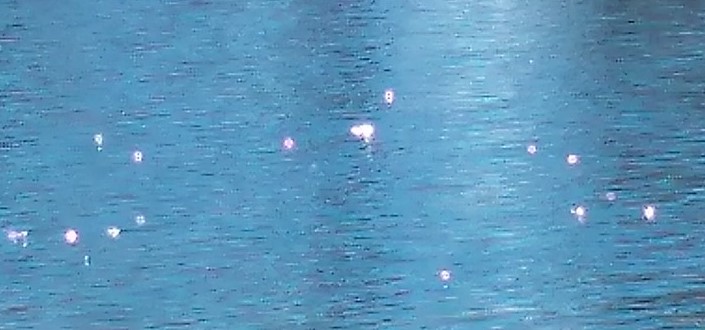
Gold dust from the stamen falls
upon her hand as she reaches
for the purple silk of iris petals,
drinks the sweet juice of honeysuckle,
breathes in the rich scent of roses.
Somewhere else
shrill shrieks of infants’ cries
shatter the stillness,
shoulders drop and breasts sigh
from too much sacrifice,
love falters and dreams die
by the side of a road.
But here in the garden for the first time
sweetness and silk and gold dust
are all the girl knows.